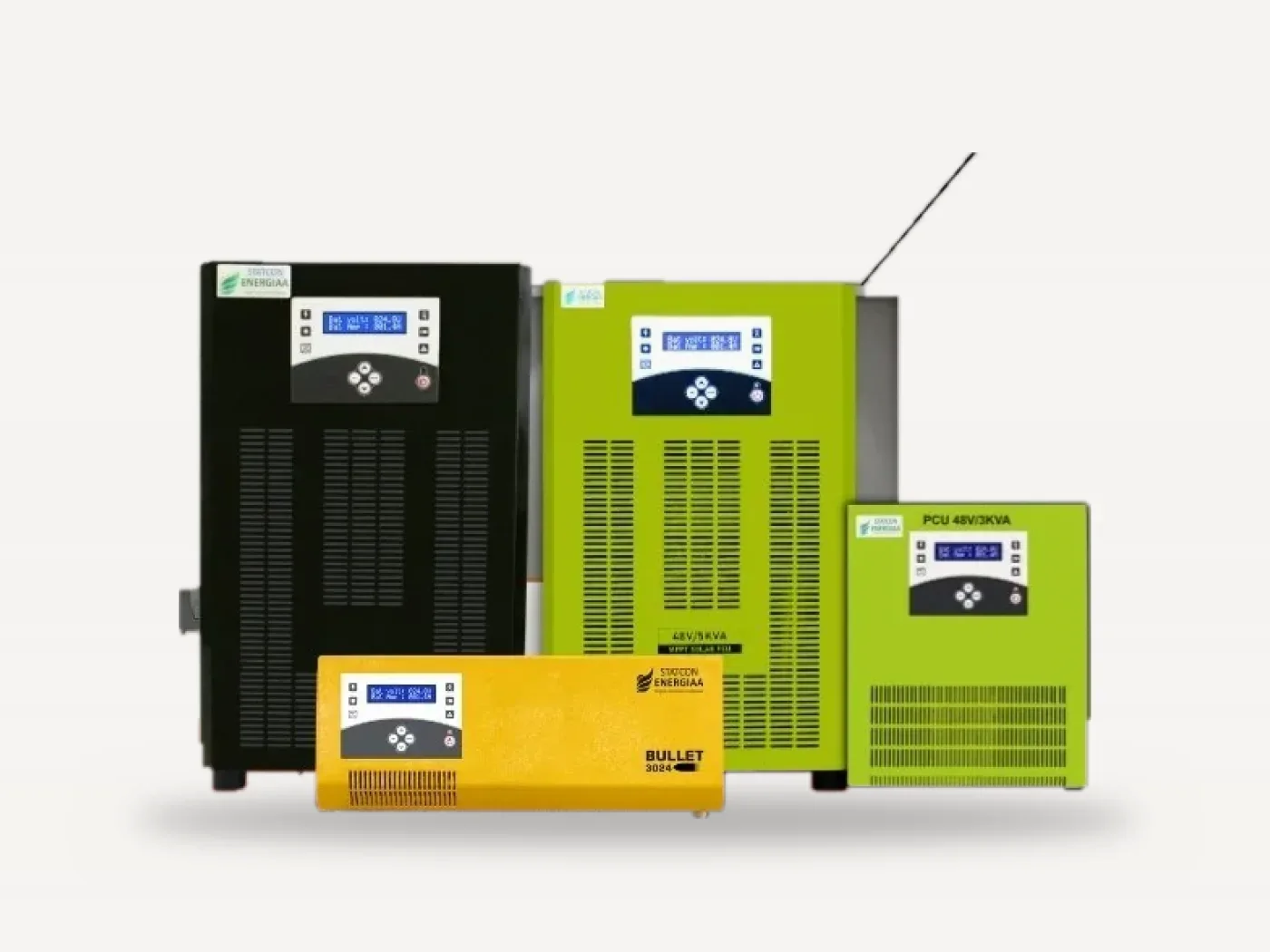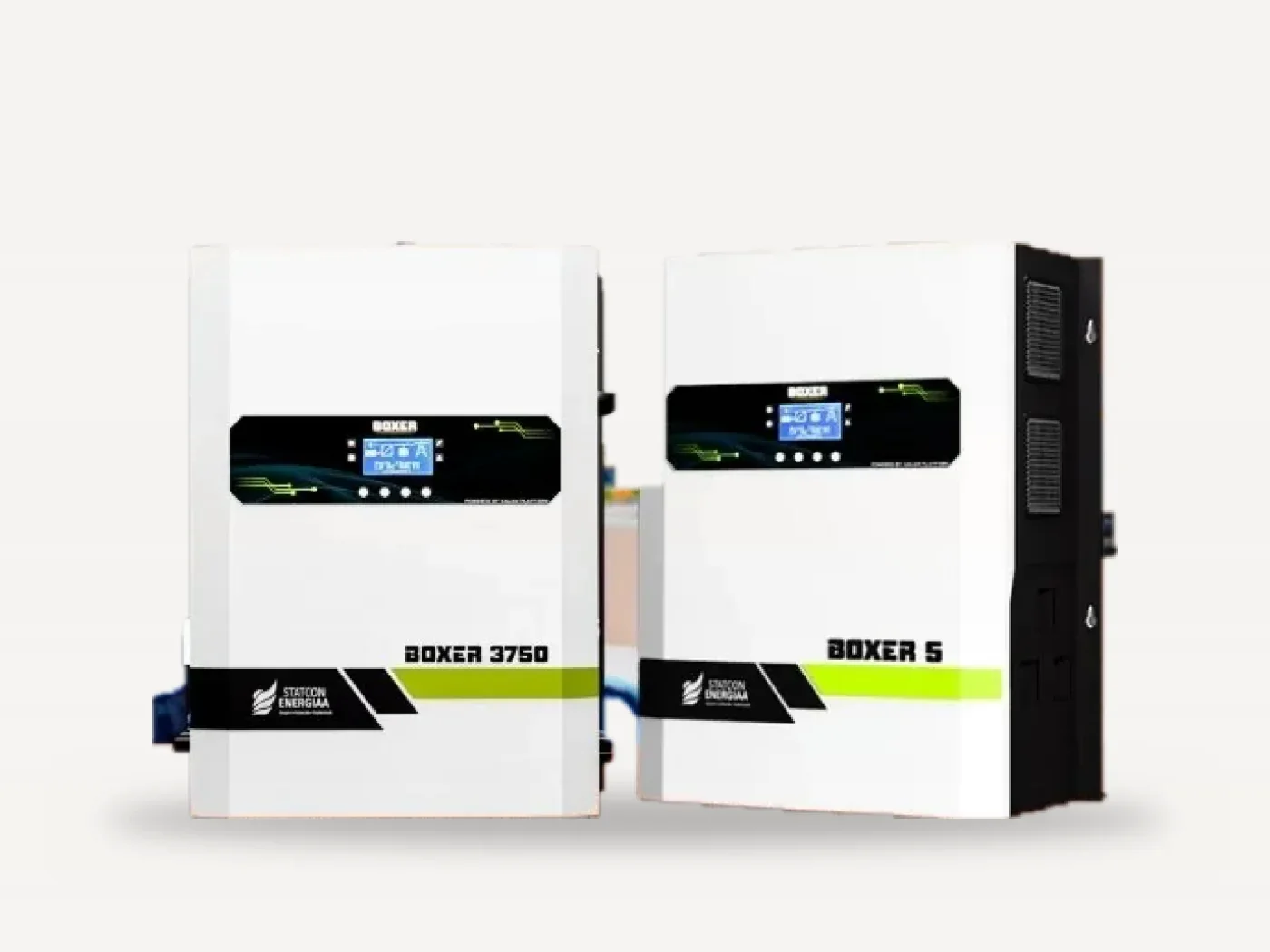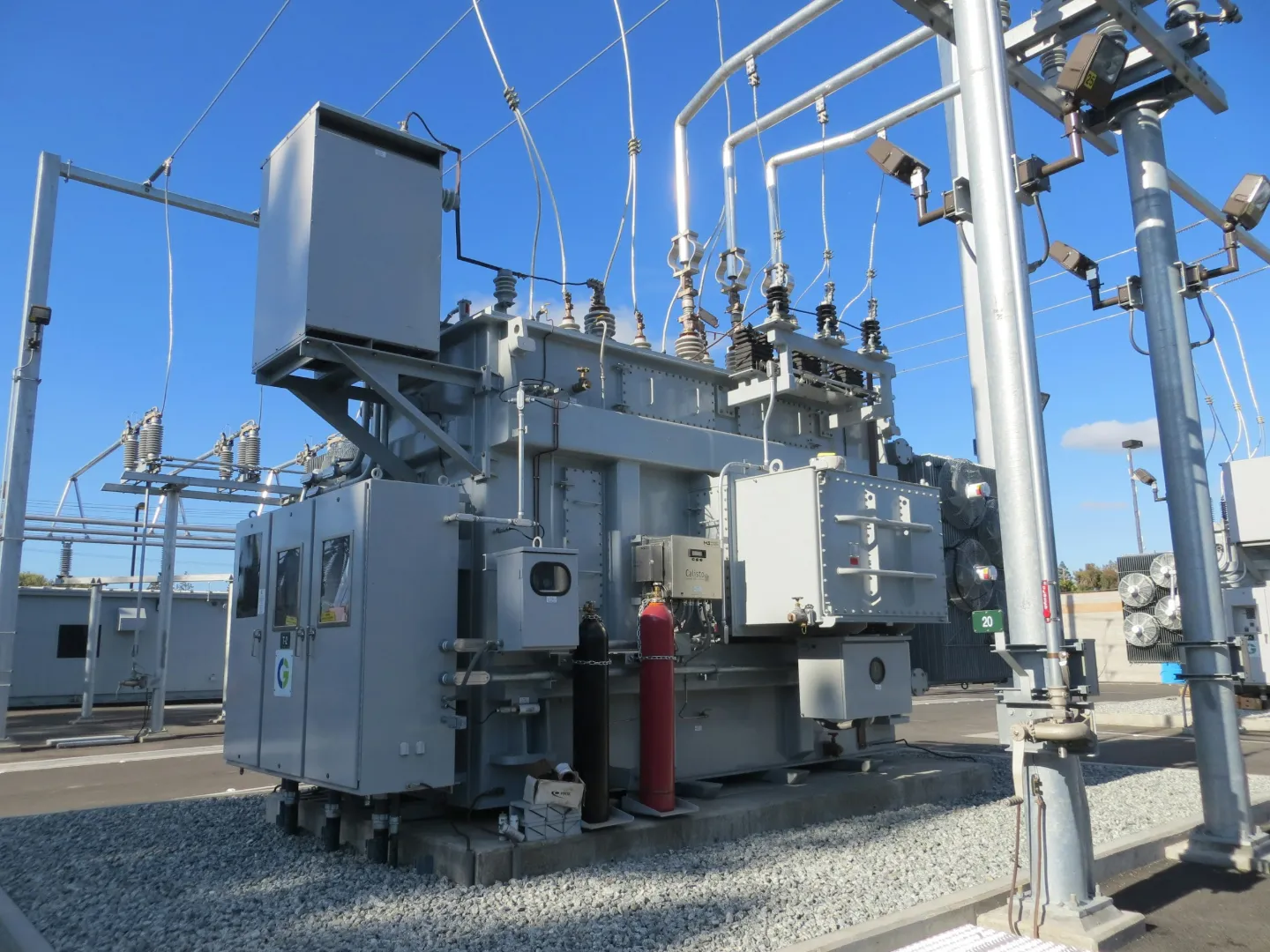
A solar inverter with an inbuilt transformer offers several advantages over one without a transformer:
- Voltage matching: the transformer matches voltage levels between the battery and the AC output. Transformers can step the output voltage up or down relative to the input, which helps when the grid supply fluctuates.
- Galvanic isolation: in areas with unreliable grids, voltage fluctuations and power surges are common. A transformer-based inverter provides galvanic isolation, isolating the PV and battery side from the grid, and enhances safety by preventing current leakage and electrical hazards.
- Enhanced durability: the transformer improves the inverter's ability to handle voltage spikes and surges, increasing its overall lifespan.
The choice between the two types depends on the application's requirements, installation considerations and the level of performance you want. Transformer-based inverters are bulkier and bigger than transformerless ones, but they are well suited to weak grids, where grid availability and power quality are unreliable.
Ask an engineer
Need a quote?
Send the voltage, current and site conditions. An application engineer will reply with a configuration.